
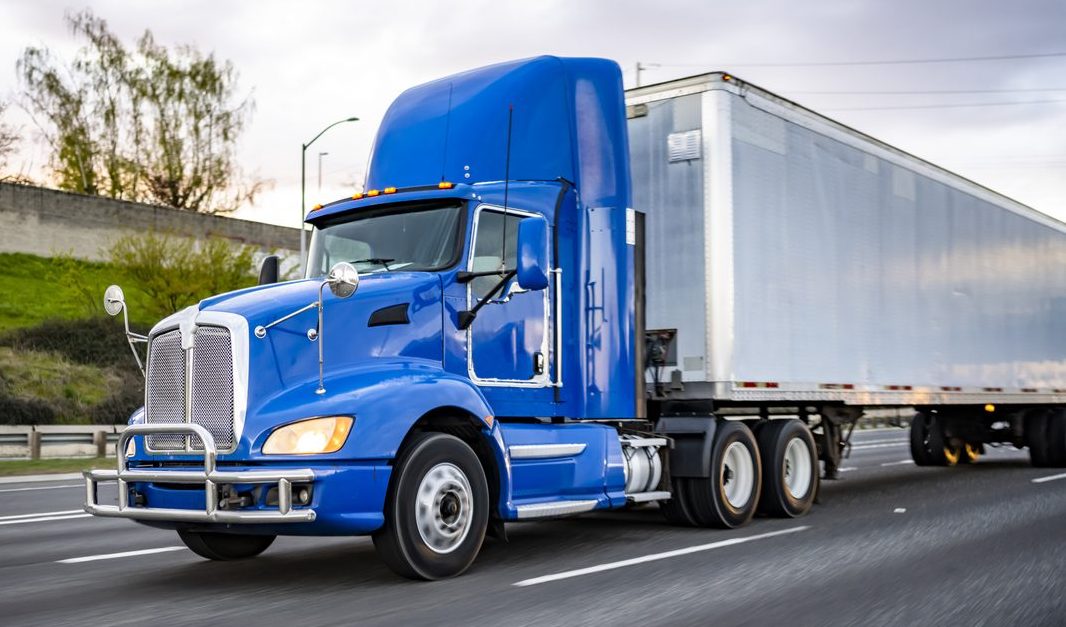

When it comes to shipping freight, choosing the right type of truck is crucial for efficiency, safety, and cost-effectiveness. Two of the most commonly used options in the trucking industry are flatbed trucks and dry van trailers. Each has its own advantages and is suited for specific types of cargo. But which one is right for your freight needs?
In this guide, we’ll compare flatbed and dry van trucking, covering their key differences, advantages, and ideal use cases to help you make an informed decision.
What is a Flatbed Truck?
A flatbed truck is a type of open-deck trailer without walls or a roof. This design allows for easy loading and unloading of goods, making it ideal for transporting oversized, heavy, or irregularly shaped cargo.
Advantages of Flatbed Trucks
- Versatile Loading Options – Cargo can be loaded from the sides, top, or rear using cranes, forklifts, or other heavy equipment.
- Ideal for Oversized Loads – Perfect for transporting large machinery, construction materials, and steel beams.
- No Size Restrictions (Within Legal Limits) – Unlike enclosed trailers, flatbeds accommodate wider and taller freight without volume restrictions.
- Quicker Unloading – Since cargo isn’t enclosed, unloading is often faster and easier.
Common Uses of Flatbed Trucks
- Construction materials (lumber, steel, pipes)
- Heavy machinery and equipment
- Prefabricated structures
- Vehicles and large industrial parts
What is a Dry Van Trailer?
A dry van trailer is a fully enclosed, box-shaped trailer that protects cargo from weather, theft, and damage. It is the most commonly used type of trailer for general freight shipping.
Advantages of Dry Van Trailers
- Weather Protection – Keeps cargo safe from rain, snow, wind, and extreme temperatures.
- Security – The enclosed structure reduces the risk of theft and damage.
- Stackable Storage – Dry vans allow goods to be stacked and palletized, maximizing space.
- Ideal for Fragile or Perishable Goods – Suitable for items that require protection from environmental conditions.
Common Uses of Dry Van Trailers
- Consumer goods (clothing, electronics, furniture)
- Non-perishable food and beverages
- Pharmaceuticals and medical supplies
- Packaged freight and palletized loads
Key Differences Between Flatbed and Dry Van
1. Cargo Type & Load Flexibility
- Flatbed: Suitable for heavy, oversized, or oddly shaped cargo that cannot fit inside an enclosed trailer.
- Dry Van: Best for boxed, palletized, or packaged goods that require protection from external elements.
2. Loading and Unloading
- Flatbed: Allows loading/unloading from any angle using cranes, forklifts, or side-loading equipment.
- Dry Van: Requires loading/unloading through the rear doors using forklifts or pallet jacks.
3. Weather Protection
- Flatbed: Cargo is exposed to the elements unless covered with tarps.
- Dry Van: Offers complete protection against rain, snow, and wind.
4. Security and Theft Prevention
- Flatbed: Less secure due to open design, requiring extra measures like straps and tarps.
- Dry Van: Fully enclosed, making it more secure against theft and damage.
5. Cost Considerations
- Flatbed: Generally higher costs due to the need for special handling equipment and tarping.
- Dry Van: More cost-effective for standard goods since it doesn’t require additional protective measures.
Which One Should You Choose?
Choose Flatbed Trucking If:
- Your cargo is oversized, heavy, or irregularly shaped.
- You need to transport construction materials, machinery, or vehicles.
- You require easy access for loading and unloading.
Choose Dry Van Trucking If:
- Your cargo needs protection from weather and theft.
- You’re transporting general consumer goods, retail products, or packaged items.
- Your freight is palletized and needs efficient stacking.
Conclusion
Both flatbed and dry van trucking have their unique benefits, and the right choice depends on the type of freight you need to ship. If your cargo requires open access and flexibility, a flatbed truck is ideal. However, if your freight needs protection and security, a dry van trailer is the better option.
Need help selecting the right shipping solution for your business? Contact us today to get expert advice and customized freight solutions tailored to your needs.